Home / Guides / Septic care guide
Septic system care for Mooresville homeowners
A septic system is rarely on anyone’s mind until a drain backs up. Most of what keeps a system working is ordinary habit. This guide pulls together North Carolina public-health and extension advice, plus a few notes for holiday guests. If you need pumping, an inspection, or a repair, we can connect you with a local professional for a free estimate.
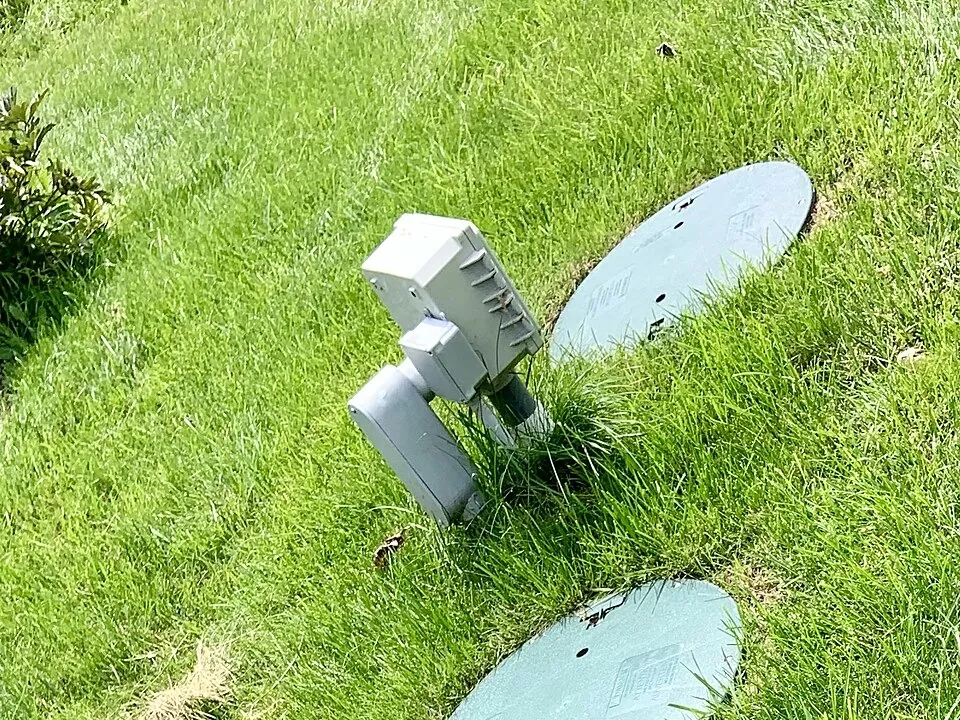
How a typical system works
Many homes outside Mooresville’s sewer area, and plenty of older lots in Troutman, Statesville, and around Lake Norman, use an onsite system. Wastewater flows to a tank where solids settle. Scum floats, and the clarified liquid moves on to a drainfield, where the soil does the final treatment. Some lots need a pump system to move effluent uphill or to a field farther away. Iredell County Environmental Health permits these systems through its Onsite Water Protection program.
The tank only holds solids for so long, and the drainfield can only take so much water. Most care comes down to two things: keep solids out of the field, and avoid sending it more water than it can handle.
What not to put down the drain
The N.C. Division of Public Health’s guidance for septic owners and NC State Extension both warn against the same things:
- Grease, cooking oil, and fat from roasting pans
- Coffee grounds and food scraps. Both sources discourage garbage disposals on septic systems.
- Wipes (including “flushable” ones), paper towels, diapers, feminine products, cat litter, and cigarette butts
- Paint, solvents, motor oil, pesticides, and large amounts of harsh cleaners
The state’s guidance also says additives usually are not needed. A tank normally gets everything it needs from household wastewater, and some products can harm the biology in the tank or pollute groundwater.
Water use and the drainfield
A drainfield is sized for a design flow. NC State Extension notes that typical use is about 50 gallons per person per day. The state guidance suggests:
- Run washers and dishwashers with full loads, and spread them out over the week instead of doing all the laundry on one day.
- Fix running toilets and dripping fixtures. A leak can send a lot of extra water to the field.
- Keep gutters, downspouts, sump pumps, and foundation drains out of the septic system, and steer surface water away from the tank and field.
- Keep cars, trailers, and heavy equipment off the tank and drainfield, and keep grass over the field rather than pavement or deep-rooted plantings.
Piedmont clay soils drain slowly, and long wet spells can leave a field saturated. If you see soggy ground, a strong odor, or unusually green strips over the field, see drainfield repair.
Holiday guests and a full house
Thanksgiving through New Year’s often means extra showers, extra laundry, and kitchen grease. A few habits help:
- Wipe grease from pans into the trash before washing.
- Put a small trash can in each bathroom, and let guests know the toilet is for toilet paper only.
- Stagger showers, dishwasher cycles, and laundry instead of running them all in the same hour.
- If you cannot remember when the tank was last pumped, the state guidance says it is likely time. Book pumping before guests arrive rather than during the visit.
If sewage backs up into the house or surfaces in the yard, stop using water as much as you can and keep people and pets away from the area. Then request septic repair.
Pumping and inspection schedule
NC DHHS suggests starting with a pumping interval of about three years. Ask the pumper to measure the solids so you can adjust that interval to your household. NC State Extension says a tank should be pumped when the sludge reaches about a quarter to a third of the tank’s liquid depth, or when the scum layer is more than 4 to 6 inches thick. Both compartments should be pumped, and any effluent filter should be cleaned. A periodic inspection is a good idea, especially before you buy or sell a home. For published price ranges, see the septic cost guide. Actual quotes vary with tank size, access, and distance.
Keep records
Keep a simple folder with the permit and site drawing showing the tank, drainfield, and repair area, which Iredell County may have on file. Add every pumping receipt with the date and what was found. NC State Extension recommends making a diagram of where everything is. Risers over the tank lids make future pumping and inspections easier.
Call (704) 826-5478 or use the quote form. We will connect you with an independent local septic professional. We do not pump, inspect, or install systems ourselves.
Related pages
Frequently asked questions
How often should a septic tank be pumped?
NC DHHS suggests starting at about every three years and asking the pumper to measure solids so you can adjust. Household size, tank size, and garbage disposal use all change the interval.
Are septic additives necessary?
North Carolina public-health guidance says additives are not typically needed under normal circumstances, and some can affect tank biology or groundwater.
Is a garbage disposal OK with a septic system?
Both NC DHHS and NC State Extension discourage or advise limiting disposals on septic systems because they add solids that do not settle well.
What should I do if sewage backs up during a holiday?
Cut water use as much as possible, keep people and pets away from any surfacing sewage, and call for repair. Pumping can buy time, but it will not fix a failed drainfield.
Do you do septic work?
No. This website is a free-estimate referral service. We connect you with independently owned local septic professionals.
Ready for a free septic estimate?
Call or send a short description. We connect you with a local professional for a free estimate.